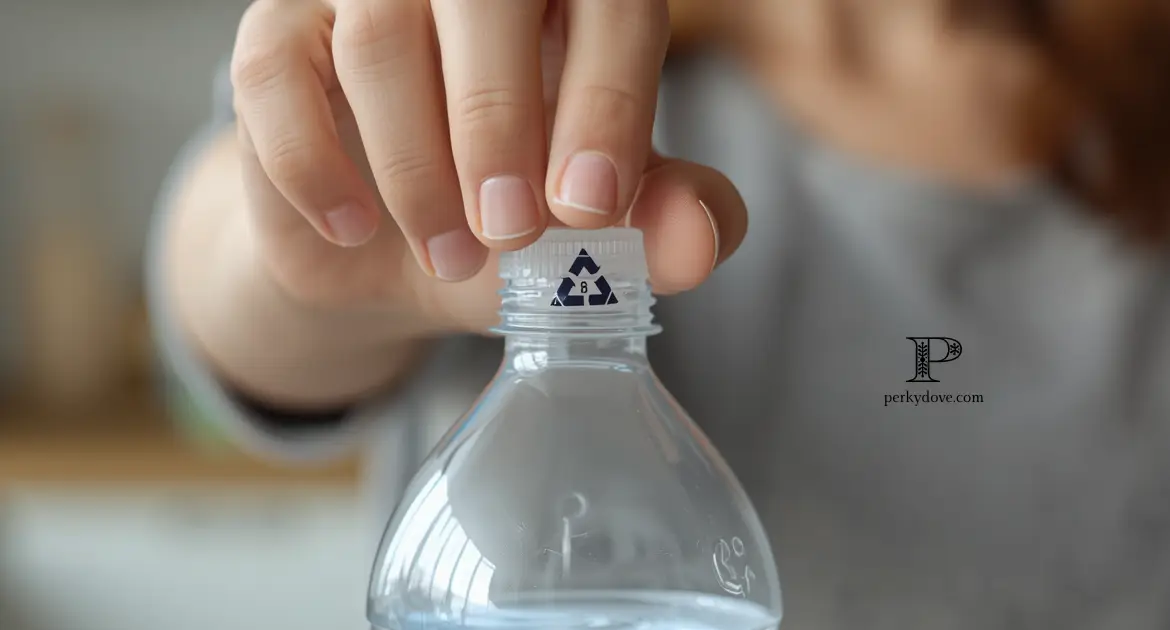
I’ll never forget the moment I flipped over my water bottle and actually noticed that tiny little number on the bottom.
You know the one…
That small triangle with a number inside it that most of us have seen a hundred times—but never really paid attention to.
For years, I thought it was just a recycling symbol.
But the more I learned, the more I realized…
That tiny number can tell you a whole lot about what might be coming into contact with your water.
And once I understood it, I started looking at every bottle in my house a little differently.
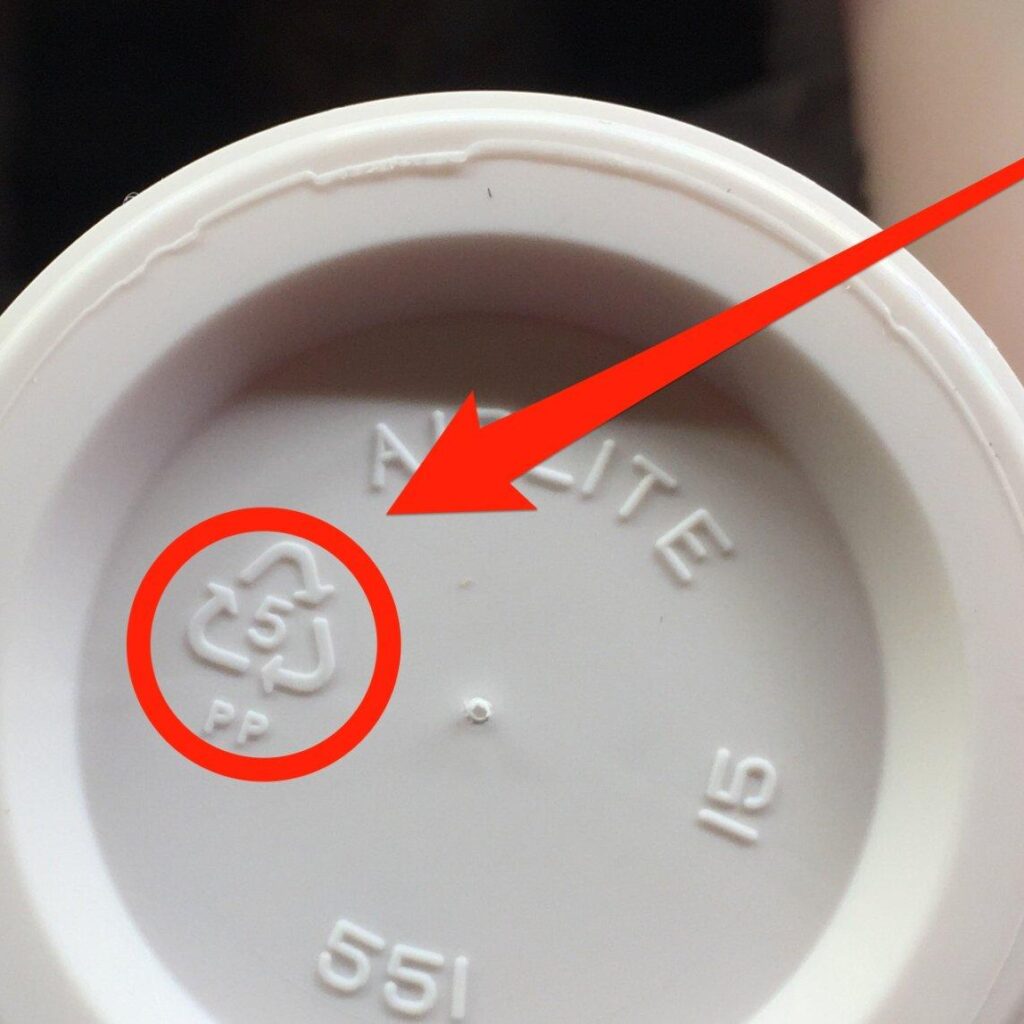
Before we go any further, grab a plastic water bottle nearby.
Flip it over and look at the bottom.
You should see:
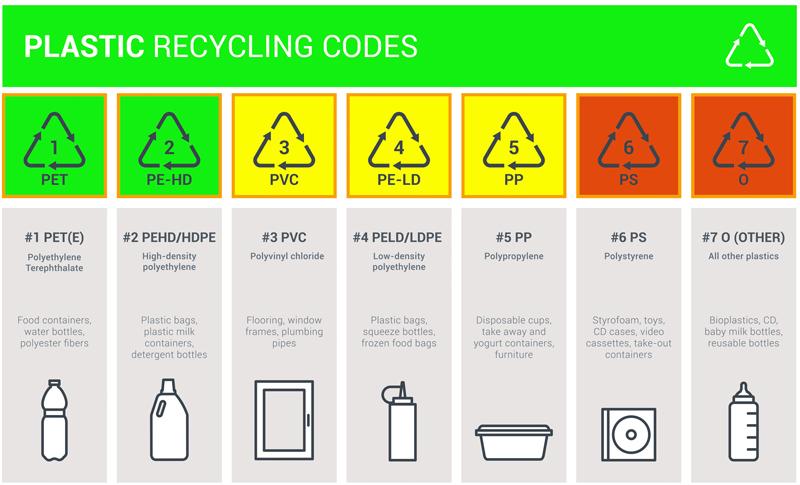
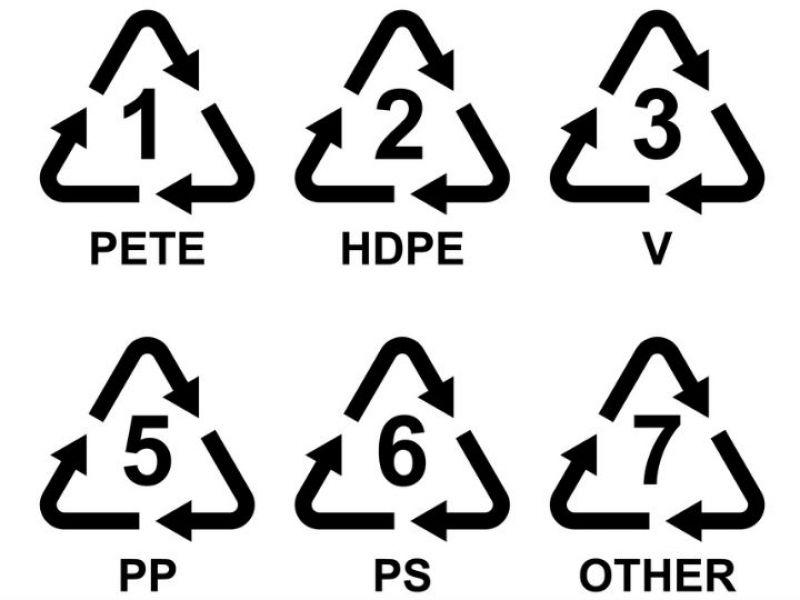
- A small triangle made of arrows
- A number inside (1–7)
Sometimes it’s faint. Sometimes it’s tiny. But it’s almost always there.
That number tells you what kind of plastic you’re using.
And some of them… are better than others.
Where to Find the Number (Most People Miss This)
Let’s Talk About BPA (The Part That Made Me Pause)
When I first heard about BPA, I’ll be honest—I didn’t think much of it.
But then I started digging a little deeper.
BPA (Bisphenol A) is a chemical that’s been used in plastics to make them stronger and more durable.
But here’s what made me stop and think…
BPA is known as an endocrine disruptor, meaning it can interfere with your body’s natural hormones.
Some research has linked it to things like:
- Hormonal imbalances
- Fertility concerns
- Other long-term health effects
Now, I’m not here to scare you.
I’m here to help you be aware—because awareness gives you the power to choose.
What Those Numbers Actually Mean
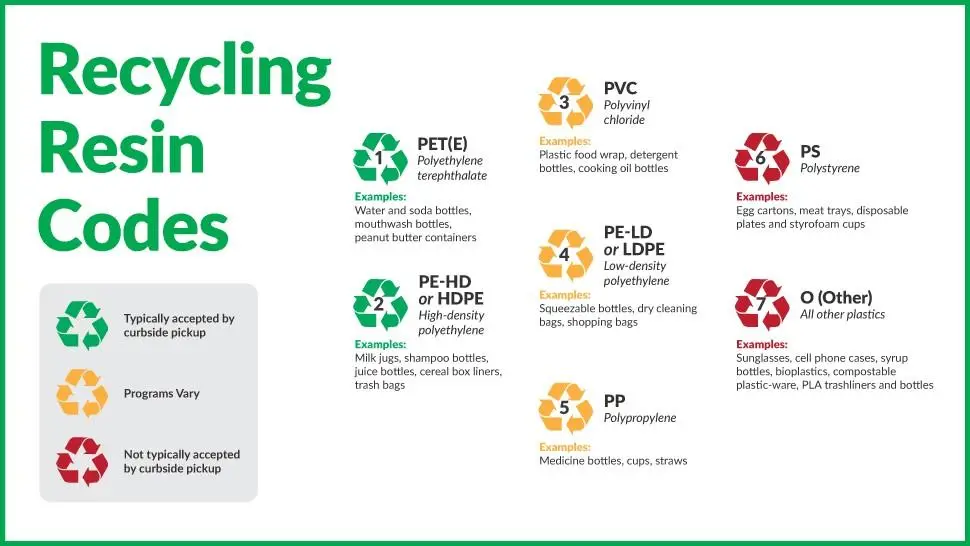
Here’s the simple breakdown I wish someone had given me years ago:
Better Plastic Choices
- #1 (PET) – Common water bottles (okay for single use, not great for reuse)
- #2 (HDPE) – Milk jugs, sturdy and more stable
- #4 (LDPE) – Softer plastics, generally lower risk
- #5 (PP) – My personal go-to if I’m using plastic
#5 (Polypropylene) stands out because:
- It’s more heat resistant
- It’s less likely to leach chemicals
- It does NOT contain BPA
- It’s commonly used in reusable food containers and bottles
If I had to choose a plastic, I’d reach for a #5 every time.
Use With Caution
- #3 (PVC) – Can contain harmful chemicals
- #6 (PS) – Styrofoam; may leach when heated
The One That Raises Questions
- #7 (Other) – A mixed category
This is where BPA has traditionally shown up most often.
The Truth About “BPA-Free”
Here’s something that really surprised me…
Just because something says “BPA-free” doesn’t always mean it’s completely harmless.
Some manufacturers replace BPA with similar chemicals like BPS or BPF—and we’re still learning how those behave in the body.
So instead of relying on the label alone, I’ve learned to:
Check the number
Avoid heating plastic
Replace containers when they get scratched or worn
What I’m Doing in My Own Home
I’m not about perfection—I’m about progress.
Here’s what that looks like for me:
- I reach for #5 plastics if I’m using plastic
- I’ve started switching to glass and stainless steel when I can
- I never microwave plastic
- I don’t reuse single-use bottles
- I pay attention to wear and tear
It’s not all-or-nothing.
It’s just small, intentional steps.
A Little Food for Thought
It’s kind of wild…
Something as simple as a water bottle can carry so much hidden information.
But once you know what to look for, you’re not just grabbing whatever’s convenient anymore…
You’re making a choice.
And those small choices? They add up over time.
Save This for Later
Next time you grab a bottle of water…
Flip it over.
Check that number.
And just pause for a second—you might be surprised at what you find.
“I always encourage doing your own research—here are a few trusted sources I used while putting this together.”